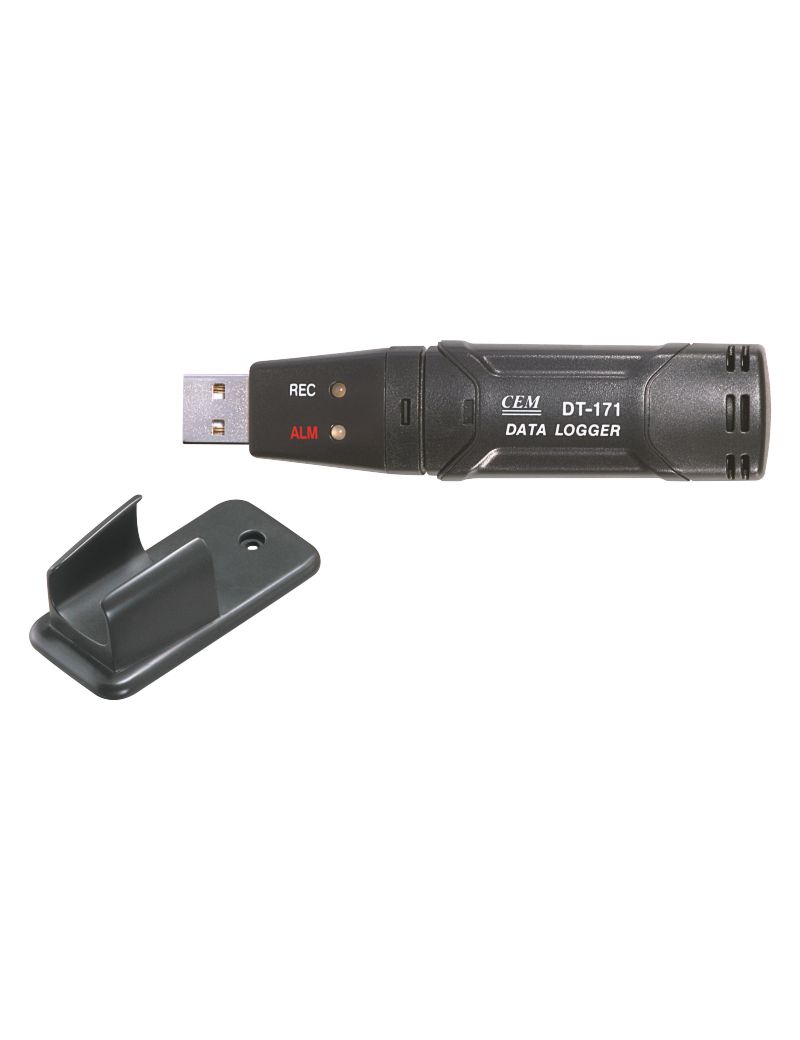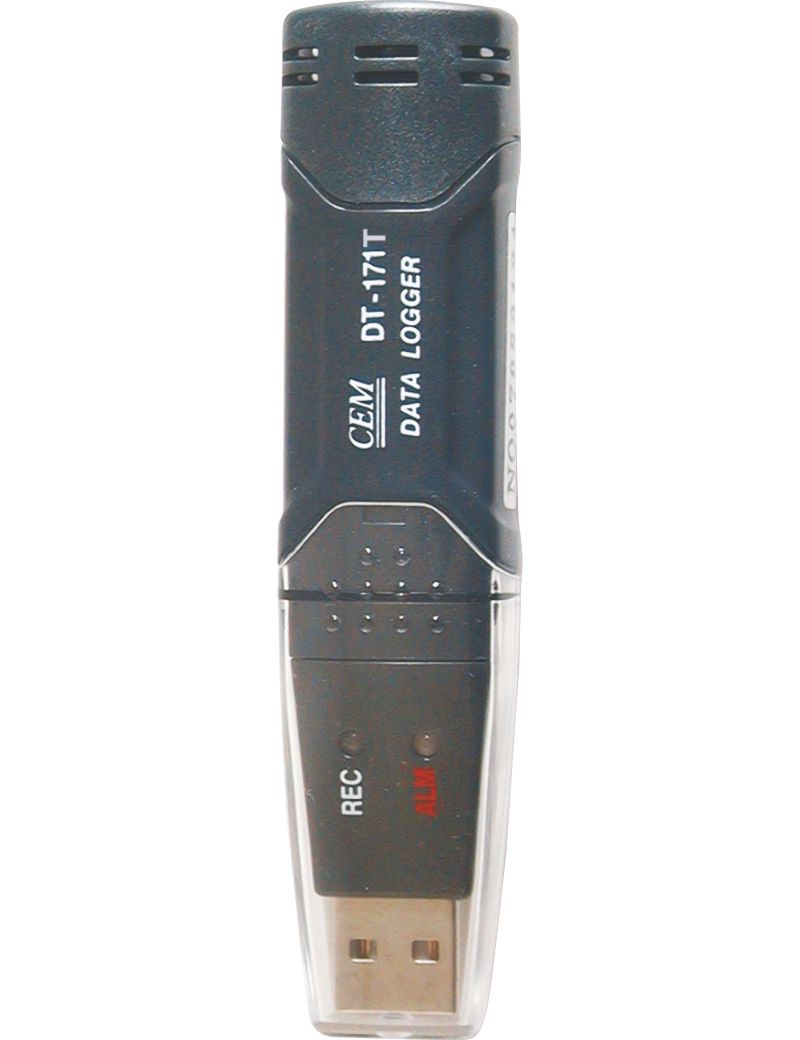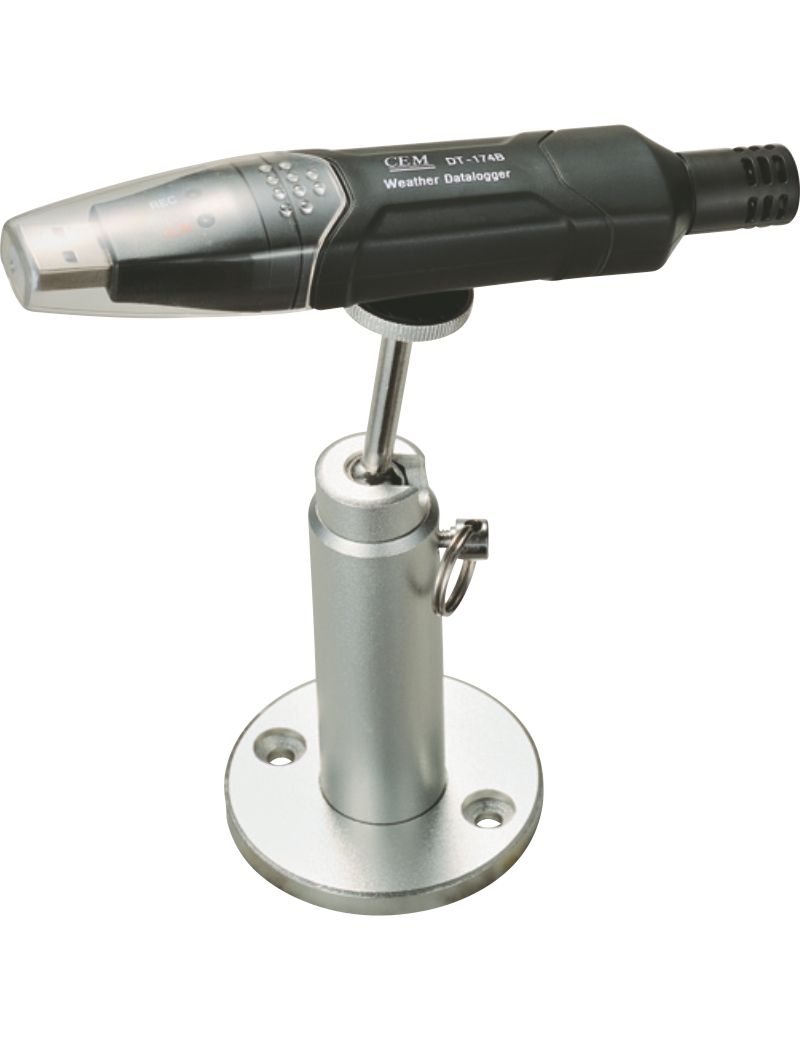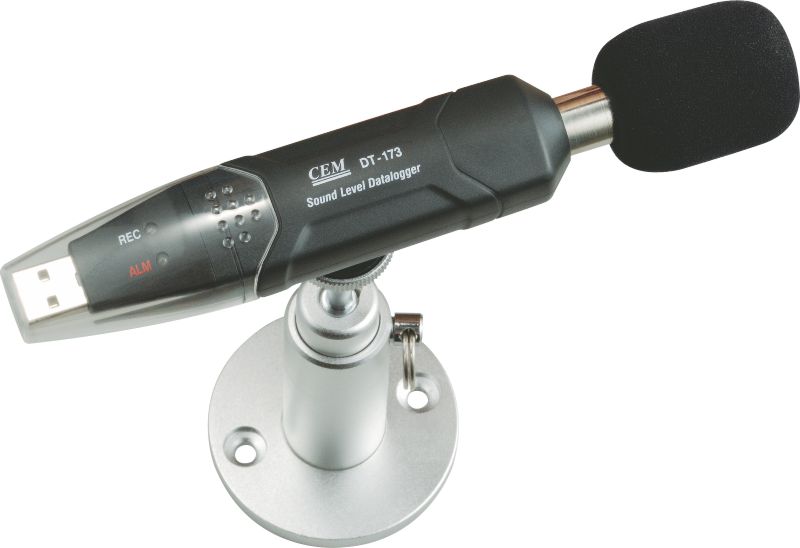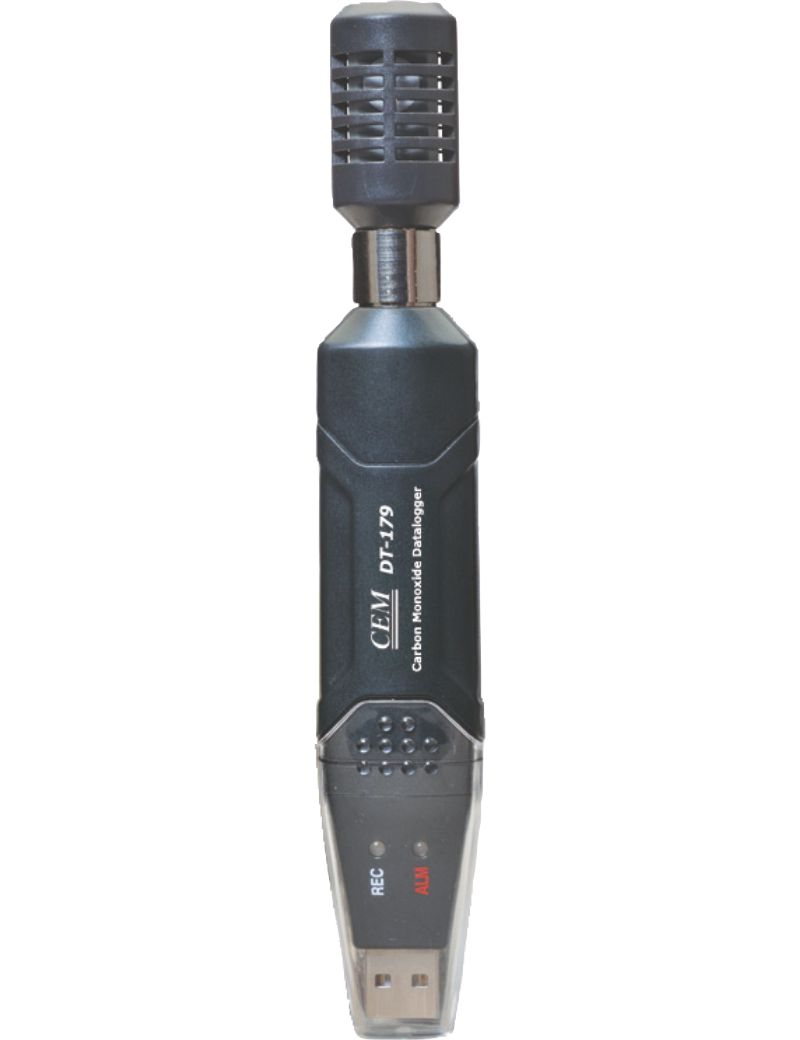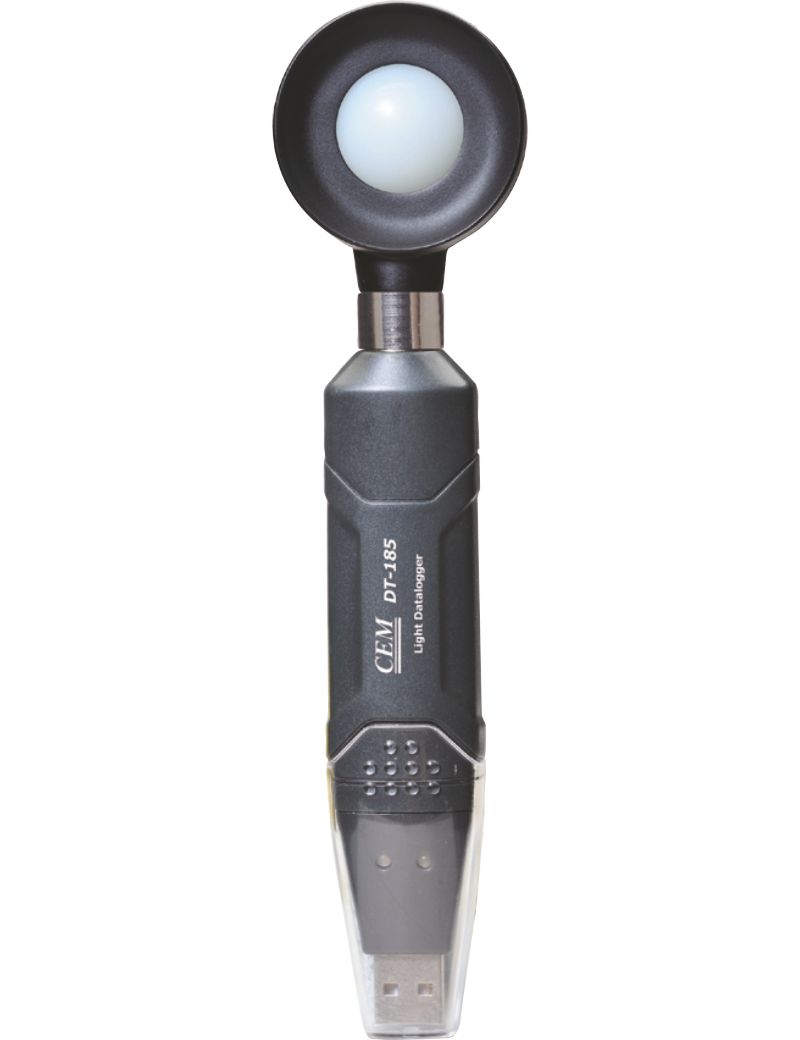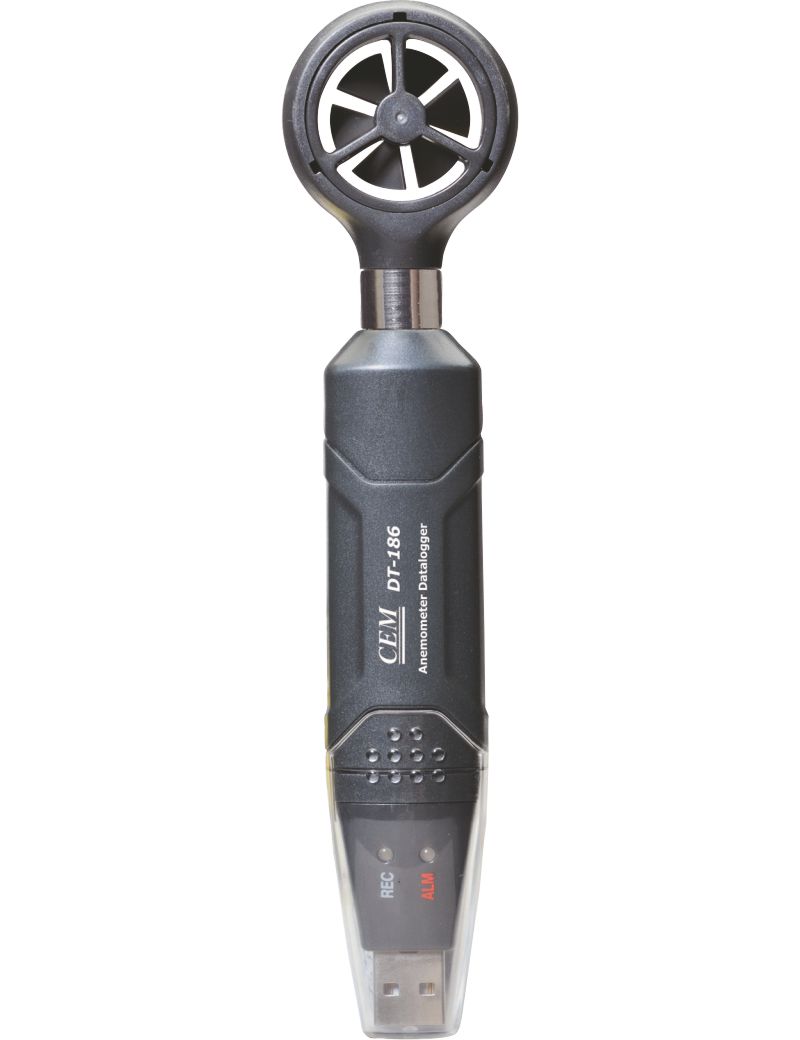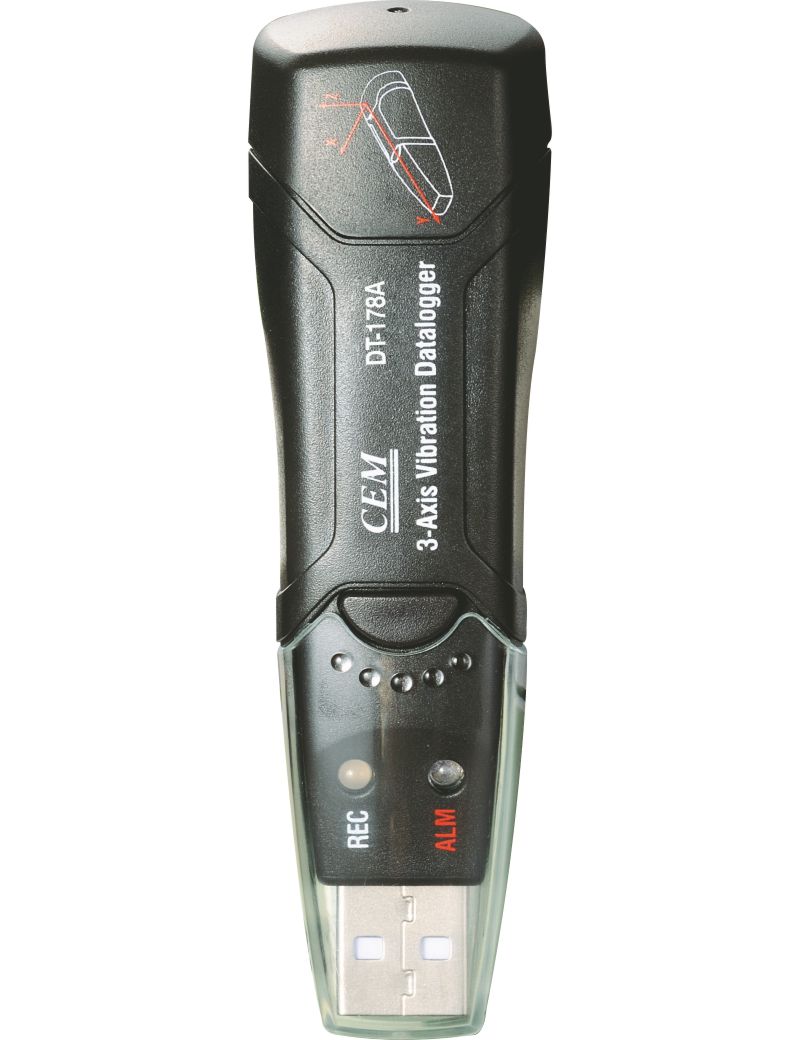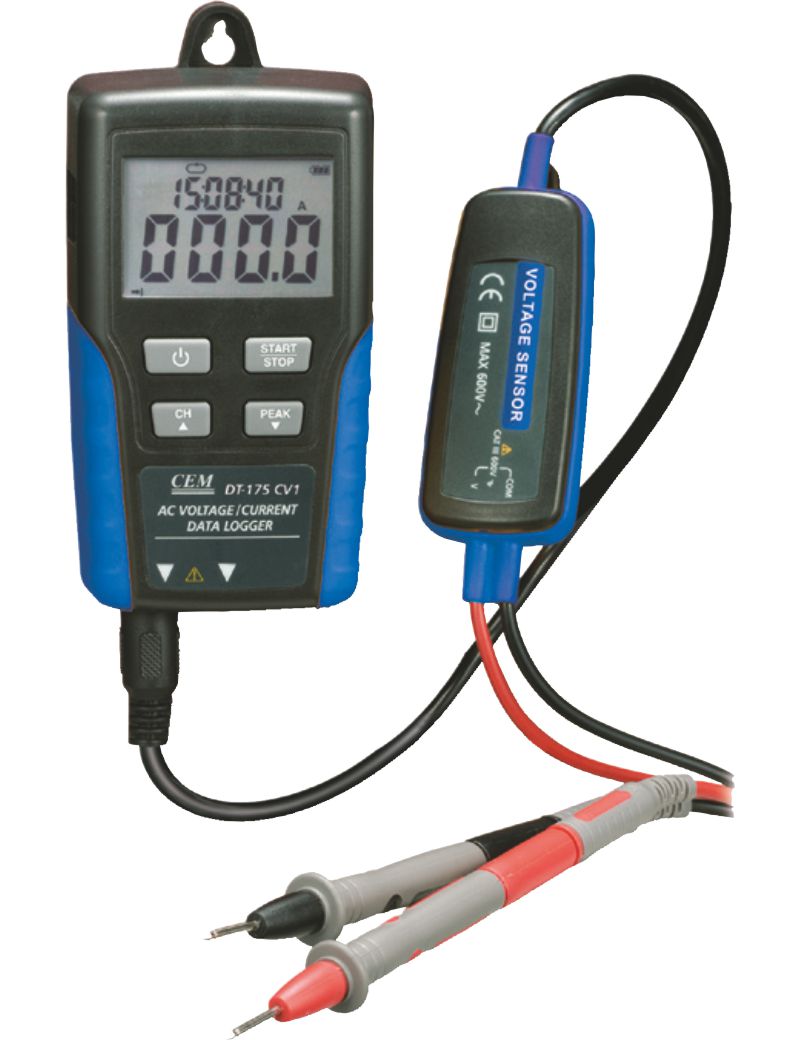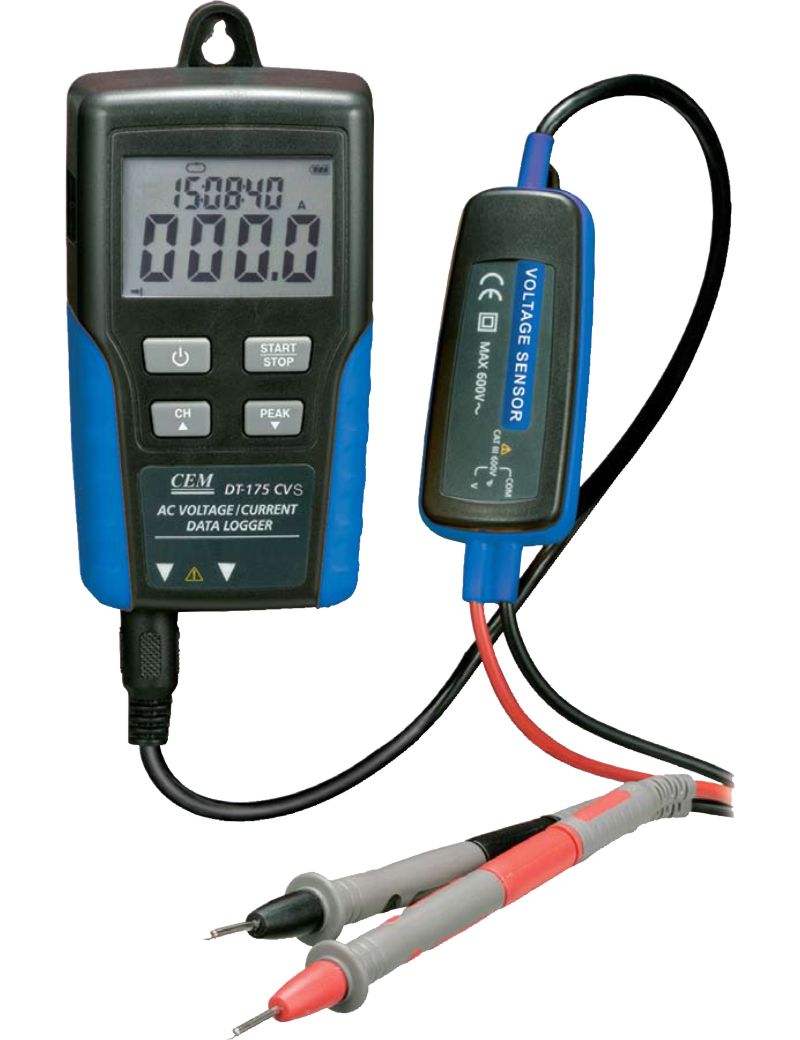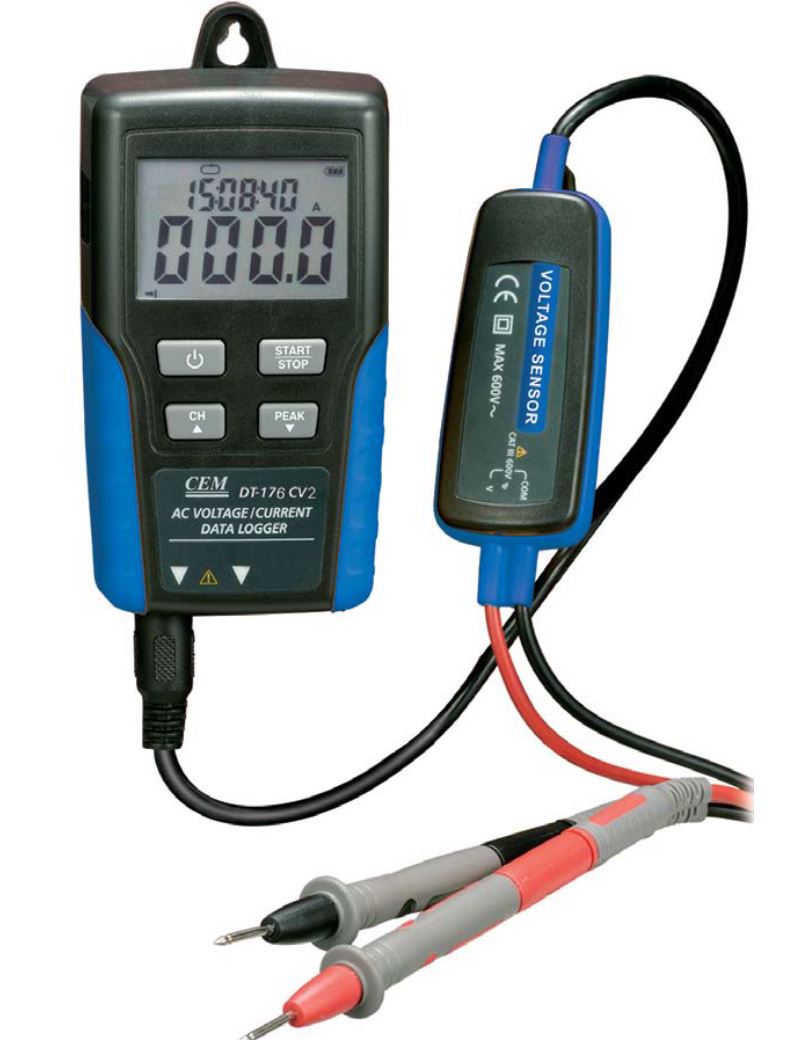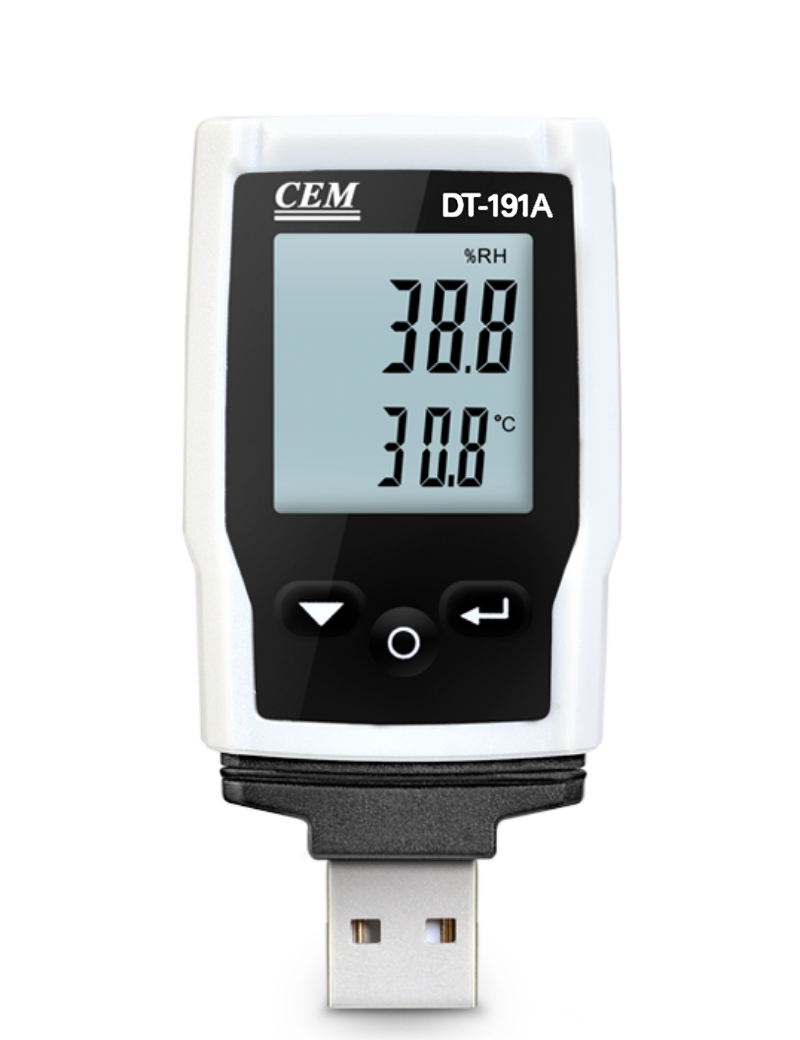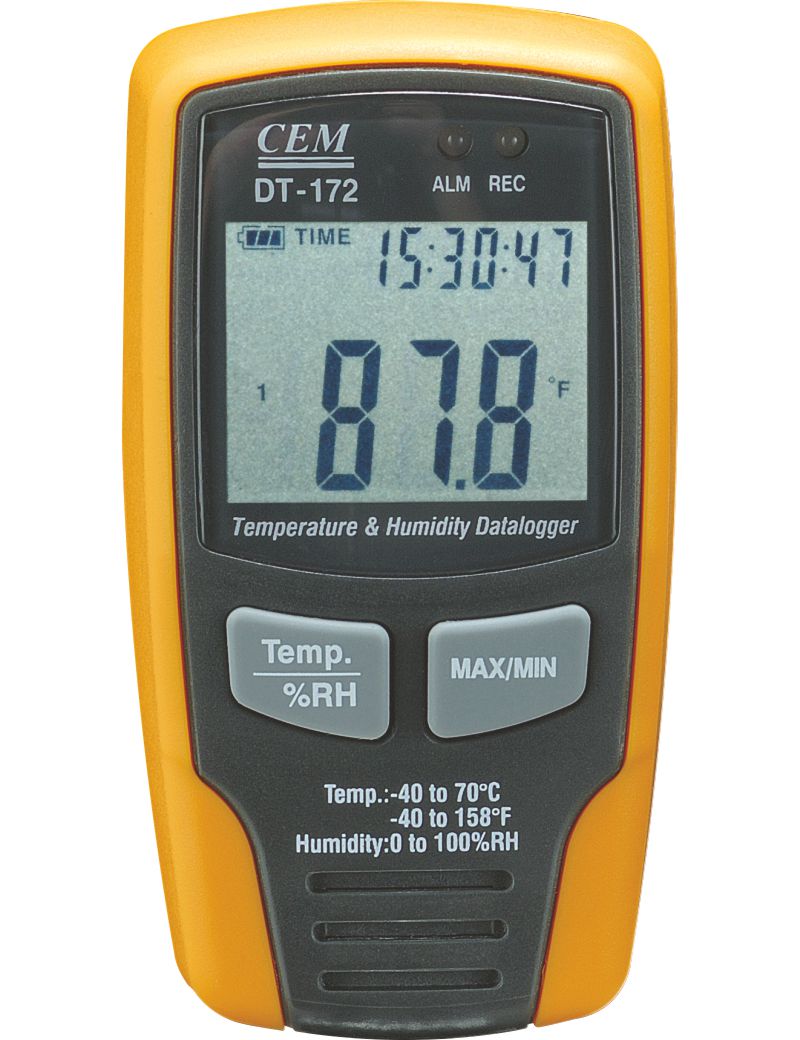
The CEM DT-172 is a smart data logger with internal sensors for both humidity and temperature. All values are shown in the display, that is present, max., min. and time. The logger is perfect for many different applications like office environment or temperature controlled transportation or clean rooms. The loggings are stamped with time and date and the large memory enables logging of 16,000 data sets.
In the software alarms limits can be programmed and the loggings are easily transferred and printed as graph or list.
The CEM DT-172 is delivered ready to use with battery, wall mount, software, USB cable and manual.
Since I cannot access the specific content of every PDF, this paper is a of what such a document should contain to be effective, based on the common principles of applied physics for automotive enthusiasts. You can adapt this to the specific PDF you have. Paper Title: Bridging Theory and Torque: A Review of the Pedagogical Approach in "Physics for Gearheads" Author: [Your Name] Course: Applied Physics / Automotive Engineering Fundamentals Date: [Current Date] Abstract This paper analyzes the hypothetical but archetypal text, Physics for Gearheads , as a case study in effective STEM pedagogy. Unlike traditional physics textbooks that emphasize abstract problem-solving, this work prioritizes intuitive, context-driven learning by anchoring every core principle—from Newton’s laws to thermodynamics—in automotive systems. We examine how the text demystifies concepts such as torque, horsepower, gearing, and forced induction without oversimplifying the underlying mathematics. The paper argues that the "gearhead" approach not only serves as an excellent bridge for vocational learners into formal physics but also enriches the understanding of engineering students by providing tangible, high-stakes applications. We conclude with recommendations for integrating this methodology into introductory physics curricula. 1. Introduction For many students, introductory physics feels like a collection of abstract equations: ( F = ma ), ( \tau = rF\sin\theta ), ( PV = nRT ). The perennial question— "When will I ever use this?" —often goes unanswered. The text Physics for Gearheads directly confronts this disconnect. Its premise is simple yet powerful: the automobile is not merely a machine but a rolling physics laboratory.