

BACK
TO
TOP
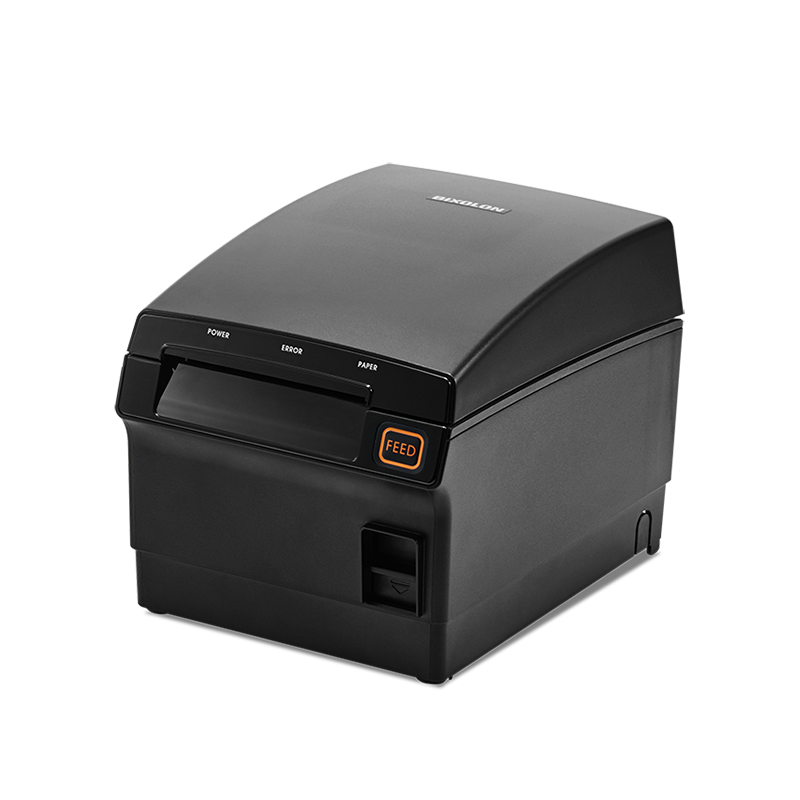
The SRP-F310II 3-inch (80mm) thermal printer, offers a front exit, splash proof design, featuring BIXOLON’s Liquid-Barrier™ technology and built-in power supply. Producing 180dpi or 300dpi printed media at an impressive 350mm/second makes it suitable for a number of applications in Retail, Hospitality, Healthcare, Warehousing and more.
The most paradoxical element of this relationship is the user’s . Manufacturers market their software as a means of empowerment: you can program side buttons, adjust DPI (dots per inch) curves, and create game-specific profiles. Yet, to gain this freedom, the user must cede control. Most modern mouse software requires a persistent background process, an internet connection for cloud profiles, and a mandatory account registration. The software that promises to bend the mouse to the user’s will instead forces the user to adapt to its ecosystem. When the software crashes, the mouse often reverts to a default “bare” state, leaving the user stranded without their macros or sensitivity settings. In that moment, trust is exposed as dependency. The user trusted the software to be a servant, but the architecture reveals it as a gatekeeper.
The deeper and more troubling dimension of trust involves . The peripheral that sits under your hand is no longer a passive electromechanical device; it is a computer with memory, processors, and updatable firmware. High-end gaming mice from major manufacturers ship with companion applications that require full system permissions, record macros, adjust RGB lighting, and remap buttons. These applications are prime vectors for supply chain attacks. In 2021, a prominent hardware security firm demonstrated that many mouse drivers did not properly validate firmware updates, allowing an attacker with local access to install malicious firmware that could inject keystrokes, exfiltrate data, or even break out of a virtual machine. The user’s trust that the “Logitech Options” or “Razer Synapse” software is benign is a leap of faith not supported by rigorous third-party auditing. Furthermore, many of these applications now “phone home,” sending telemetry on button usage, movement profiles, and system configurations. The user who trusts their mouse software to be merely a tool may unknowingly be trusting a corporate data-harvesting operation. mouse software trust
In conclusion, trust in mouse software is a multifaceted and often naive gamble. At its best, it is a well-earned confidence based on consistent performance. At its worst, it is a vulnerability surface wrapped in a GUI, demanding system-level privileges and transmitting behavioral data. The humble mouse click is an act of faith—faith that the switch will close, the debouncer will filter, the driver will not crash, and the manufacturer has not been compromised. As peripherals grow smarter, wireless, and more feature-laden, the question is no longer whether we trust our mouse software, but whether we have any choice but to click and hope. The most paradoxical element of this relationship is

BEFORE DOWNLOADING SOFTWARE, OR OTHER CONTENT AVAILABLE ON THIS WEBSITE, YOU WILL NEED TO REVIEW AND AGREE UPON THE TERMS AND CONDITIONS SET BELOW. THESE TERMS AND CONDITIONS MUST BE FOLLOWED WHEN USING THE SOFTWARE AND OTHER CONTENT PROVIDED.
