Purchase the Full Version
Buy Auto Clicker on Microsoft Store

Get the full version of Auto Clicker on the Microsoft Store for a native Windows experience.


Furthermore, the "jitter speed test" is a victim of the bufferbloat phenomenon. Many home routers, desperate to avoid packet loss, hoard data in massive buffers. During a speed test, this creates artificially low jitter for the first few seconds. Then, as the buffer fills, the jitter explodes. Most short-duration tests miss this entirely. To truly understand jitter, one must use specialized tests (like Waveform’s bufferbloat test) that measure latency under load —a condition no standard speed test simulates.
In conclusion, the "jitter speed test" is not a useless tool, but it is a dangerously incomplete narrator of your network’s story. It tells you the average deviation but hides the catastrophic spikes. It measures a symptom, not the cause (which is often bufferbloat or faulty Wi-Fi interference). To use it wisely, one must reject the simplicity of a single number. Instead, run long-duration tests, test under load, and remember the conductor’s lesson: a slightly slower orchestra that keeps perfect time will always outperform a faster, erratic one. In the symphony of real-time internet, jitter is the tempo, and consistency is the only virtuoso. jitter speed test
In the age of remote work, cloud gaming, and high-definition video conferencing, the average internet user has become a connoisseur of metrics. We obsess over download and upload speeds, treating a high megabit-per-second (Mbps) number as a proxy for digital virtue. Yet, lurking in the fine print of every speed test result is a quieter, more insidious statistic: jitter . While the "jitter speed test" is a misnomer—jitter is not a measure of speed but of consistency—examining this metric reveals a fundamental truth about modern networking: reliability is more important than raw velocity. Furthermore, the "jitter speed test" is a victim
At its core, jitter is the technical term for . If you send ten packets of data from New York to Los Angeles, they will not all arrive at the exact same millisecond. Latency (the round-trip time) might fluctuate: 20ms, 22ms, 21ms, then suddenly 45ms, then back to 20ms. That deviation from the average is jitter. A "jitter speed test" does not measure how fast data moves, but rather how stable the intervals are between packets. It is a test of rhythm, not sprinting. Then, as the buffer fills, the jitter explodes
Furthermore, the "jitter speed test" is a victim of the bufferbloat phenomenon. Many home routers, desperate to avoid packet loss, hoard data in massive buffers. During a speed test, this creates artificially low jitter for the first few seconds. Then, as the buffer fills, the jitter explodes. Most short-duration tests miss this entirely. To truly understand jitter, one must use specialized tests (like Waveform’s bufferbloat test) that measure latency under load —a condition no standard speed test simulates.
In conclusion, the "jitter speed test" is not a useless tool, but it is a dangerously incomplete narrator of your network’s story. It tells you the average deviation but hides the catastrophic spikes. It measures a symptom, not the cause (which is often bufferbloat or faulty Wi-Fi interference). To use it wisely, one must reject the simplicity of a single number. Instead, run long-duration tests, test under load, and remember the conductor’s lesson: a slightly slower orchestra that keeps perfect time will always outperform a faster, erratic one. In the symphony of real-time internet, jitter is the tempo, and consistency is the only virtuoso.
In the age of remote work, cloud gaming, and high-definition video conferencing, the average internet user has become a connoisseur of metrics. We obsess over download and upload speeds, treating a high megabit-per-second (Mbps) number as a proxy for digital virtue. Yet, lurking in the fine print of every speed test result is a quieter, more insidious statistic: jitter . While the "jitter speed test" is a misnomer—jitter is not a measure of speed but of consistency—examining this metric reveals a fundamental truth about modern networking: reliability is more important than raw velocity.
At its core, jitter is the technical term for . If you send ten packets of data from New York to Los Angeles, they will not all arrive at the exact same millisecond. Latency (the round-trip time) might fluctuate: 20ms, 22ms, 21ms, then suddenly 45ms, then back to 20ms. That deviation from the average is jitter. A "jitter speed test" does not measure how fast data moves, but rather how stable the intervals are between packets. It is a test of rhythm, not sprinting.
Get the full version of Auto Clicker on the Microsoft Store for a native Windows experience.
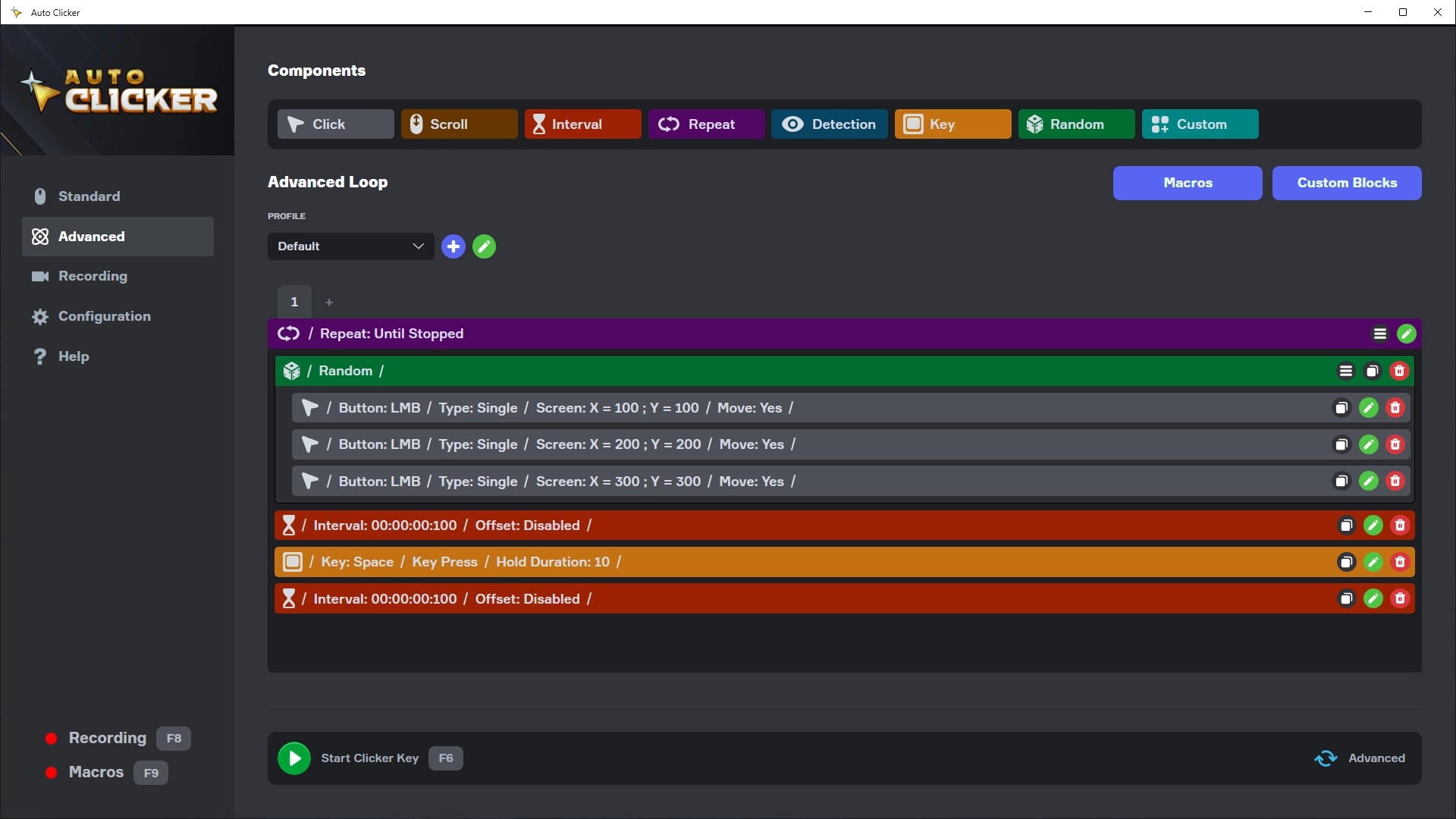
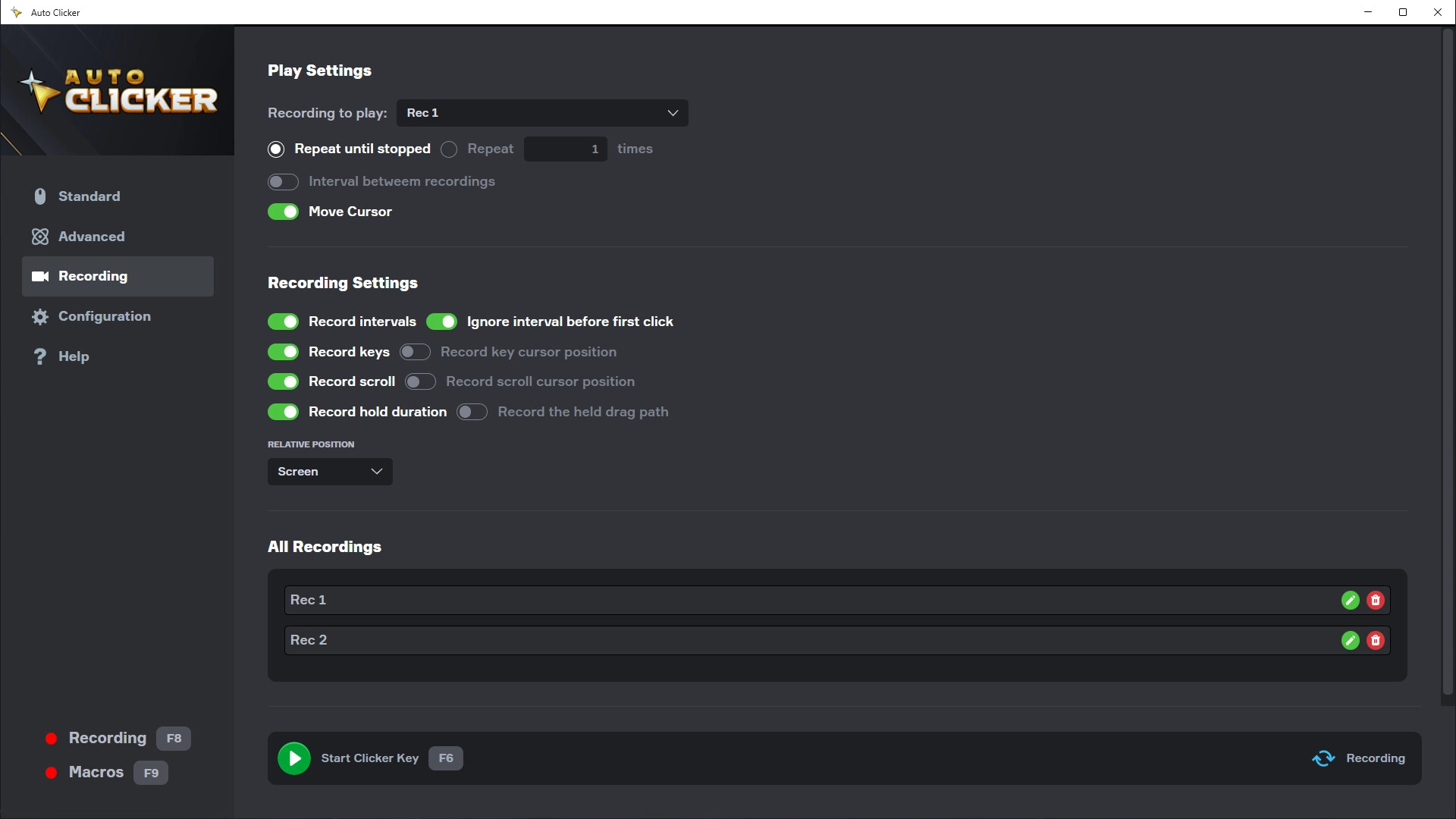
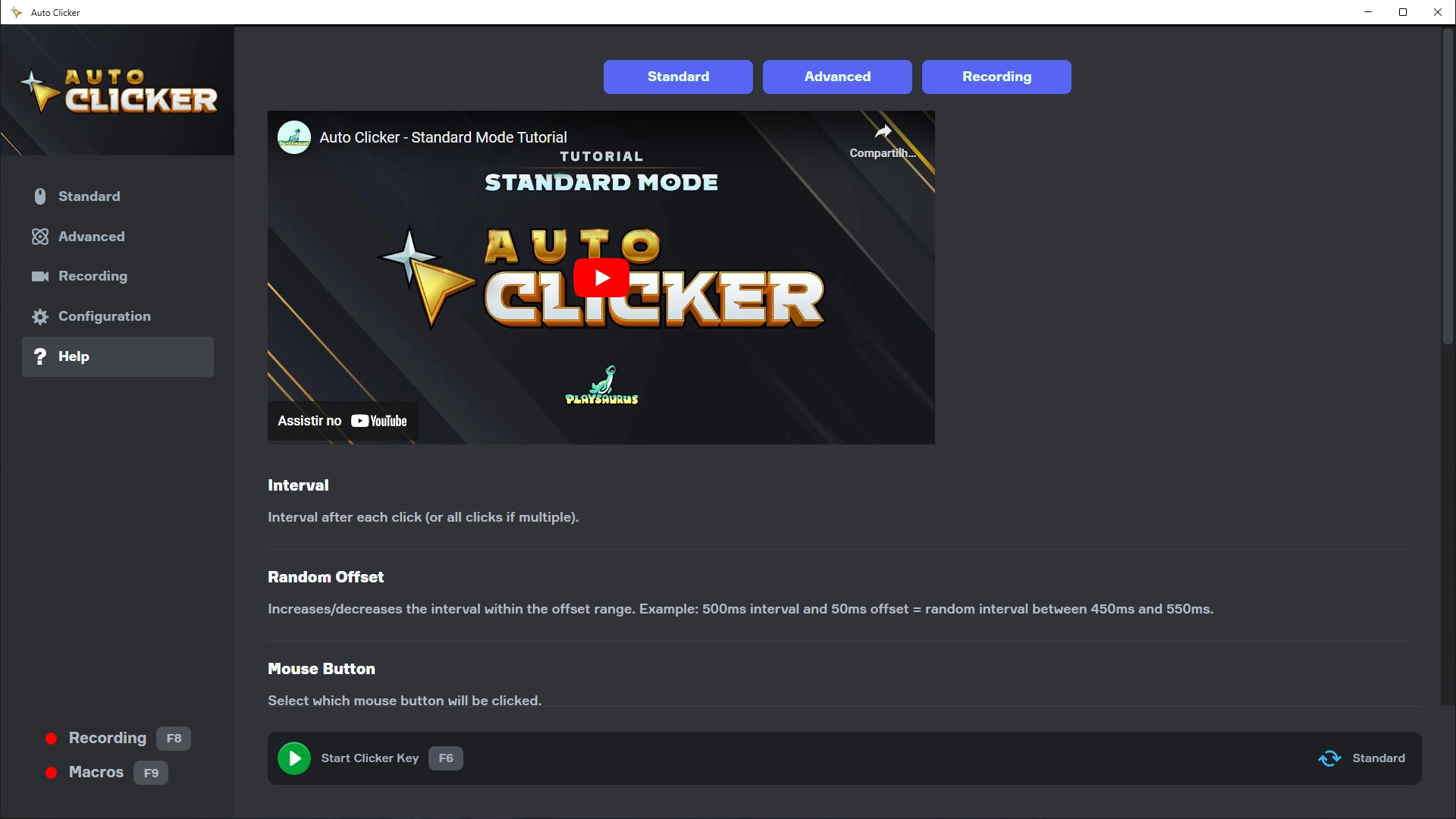
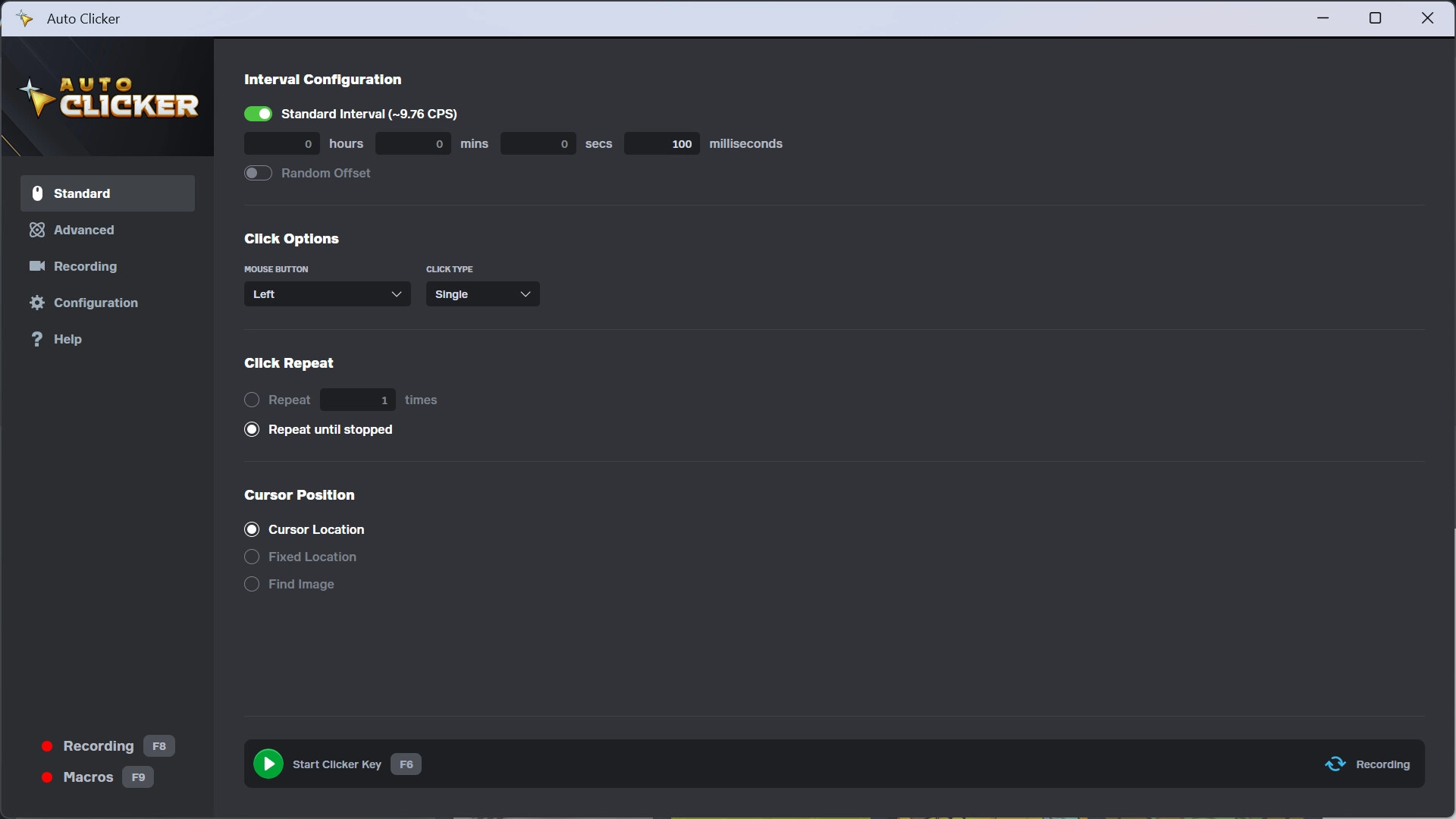
"This piece of software makes clicker/idle games SO much more comfortable to play. It's an accessibility godsend for anyone with hand problems, exhaustion issues, or just better stuff to do. 100% worth the price, so SO glad I found this."
"Best auto clicker out there! Feature rich and very easy to use an intuitive. Works great for Cookie Clicker."