Girls Without Clothes !!link!! ★

The influence of celebrity culture also plays a significant role in shaping public perceptions of female nudity. With the rise of influencer marketing and celebrity endorsements, young women are often encouraged to showcase their bodies in advertisements, campaigns, and social media posts. While this might appear empowering on the surface, it can also perpetuate unrealistic beauty standards, reinforce societal expectations of femininity, and create a culture of competition and body dissatisfaction.

In many cultures, nudity is not taboo but rather a celebration of the human form. For example, in some African and Pacific Island cultures, body painting and adornment are integral parts of ceremonial and spiritual practices. Similarly, in some Indigenous American communities, nudity is a natural and integral part of daily life, particularly in the context of spiritual and healing practices. girls without clothes

In the 20th century, feminist movements sparked a reevaluation of the way female bodies are represented in art and media. Artists like Lee Miller and Dorothea Tanning began exploring the themes of female identity and nudity, showcasing women in all their natural, unadorned glory. This shift towards greater representation and agency marked a significant departure from earlier, more exploitative portrayals. The influence of celebrity culture also plays a

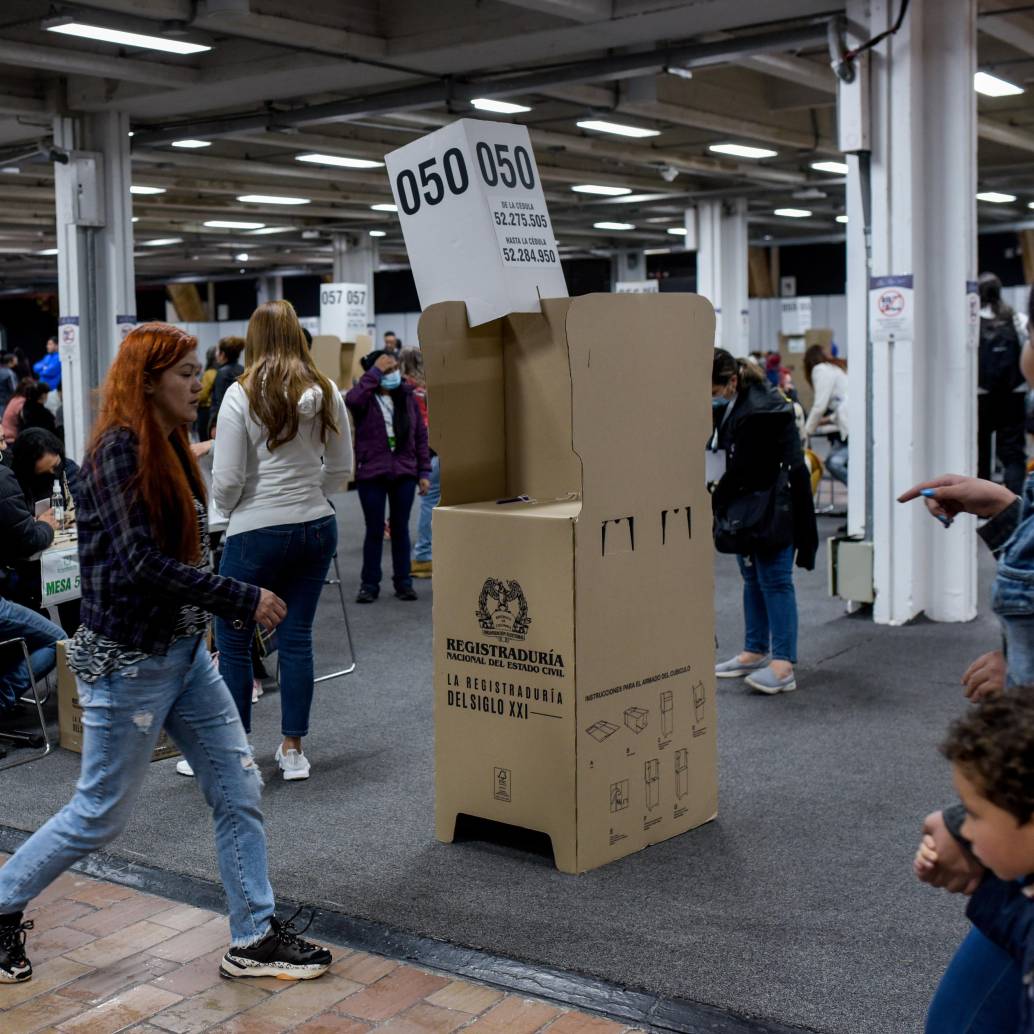
Pico y Placa Medellín

jueves

5 y 9 

5 y 9

Pico y Placa Medellín

miercoles

4 y 6 

4 y 6

Pico y Placa Medellín

martes

0 y 3  

0 y 3

Pico y Placa Medellín

domingo

no

no

Pico y Placa Medellín

sabado

no

no

Pico y Placa Medellín

lunes

1 y 7  

1 y 7

The influence of celebrity culture also plays a significant role in shaping public perceptions of female nudity. With the rise of influencer marketing and celebrity endorsements, young women are often encouraged to showcase their bodies in advertisements, campaigns, and social media posts. While this might appear empowering on the surface, it can also perpetuate unrealistic beauty standards, reinforce societal expectations of femininity, and create a culture of competition and body dissatisfaction.

In many cultures, nudity is not taboo but rather a celebration of the human form. For example, in some African and Pacific Island cultures, body painting and adornment are integral parts of ceremonial and spiritual practices. Similarly, in some Indigenous American communities, nudity is a natural and integral part of daily life, particularly in the context of spiritual and healing practices.

In the 20th century, feminist movements sparked a reevaluation of the way female bodies are represented in art and media. Artists like Lee Miller and Dorothea Tanning began exploring the themes of female identity and nudity, showcasing women in all their natural, unadorned glory. This shift towards greater representation and agency marked a significant departure from earlier, more exploitative portrayals.