
adobe pagemaker design
adobe pagemaker design Log out reminder
After logging out, some functions such as personal center will not be available.
Cancel
Confirm
  • adobe pagemaker design
  • IT7000 Series
  • Adobe Pagemaker Design Here

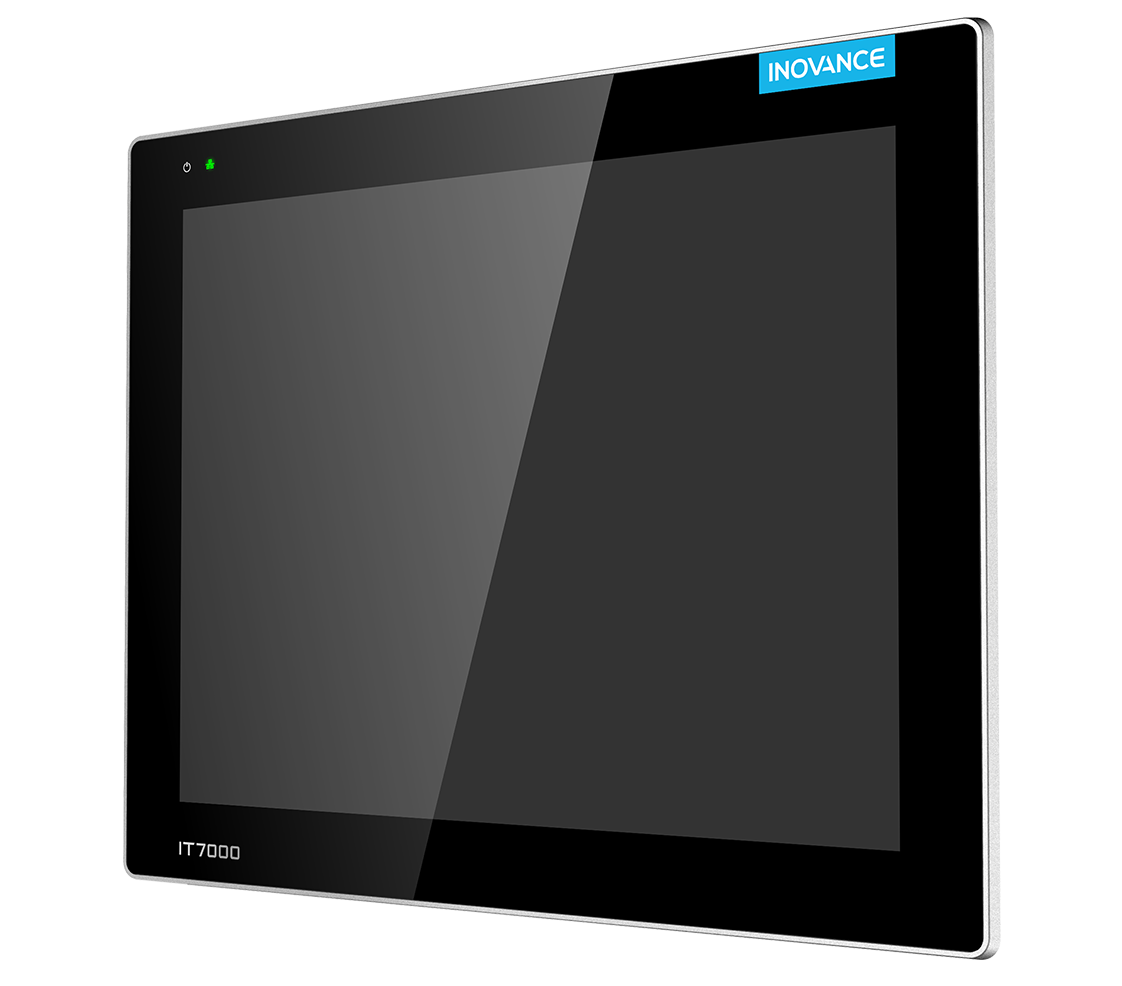
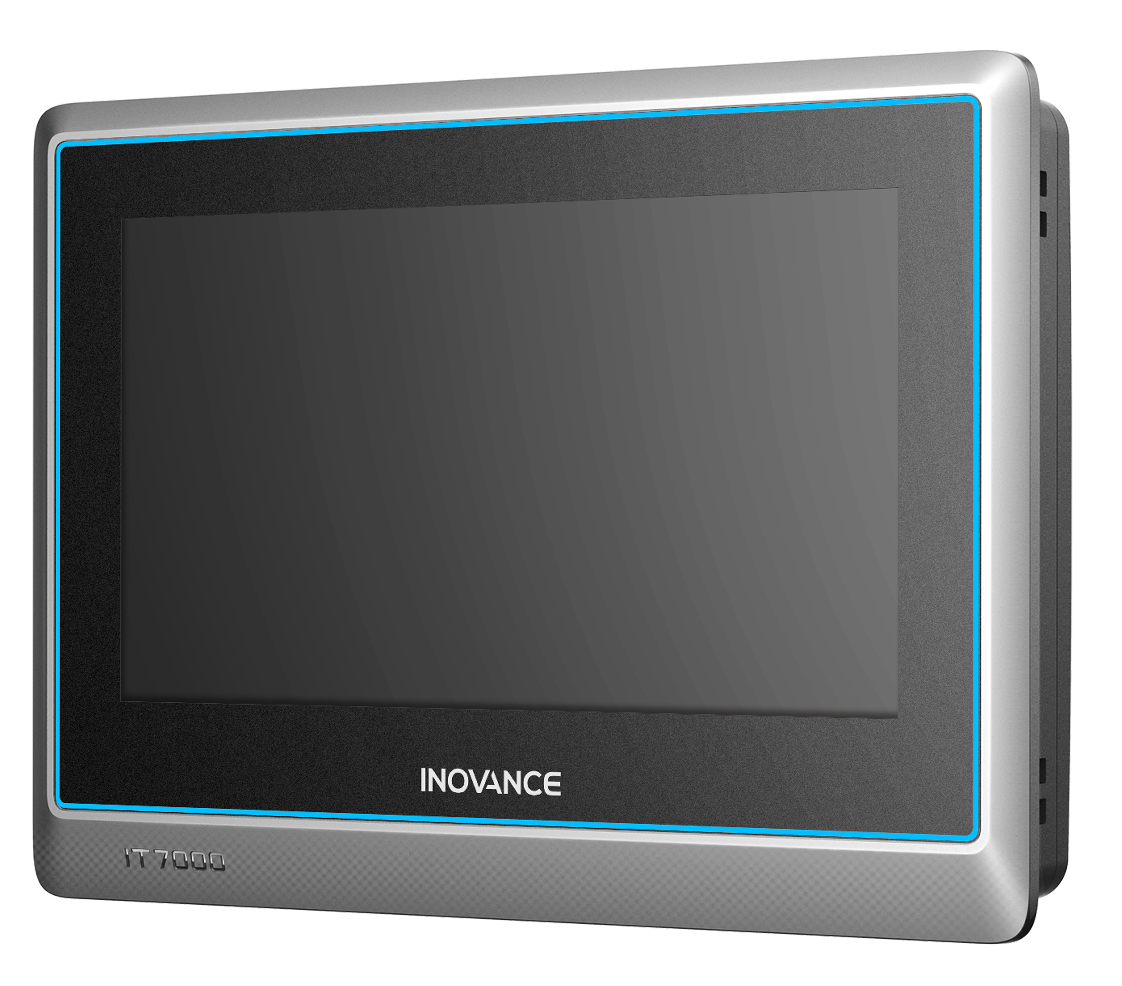
    General HMI
    The IT7000 series represents the next generation of touchscreens
    developed in line with the industrial HMI development trend. This series
    marks a significant leap in display quality. Compared with traditional
    HMIs, it embraces more communication protocols, integrates richer
    features, and delivers faster data processing and response.
    adobe pagemaker design
    adobe pagemaker design adobe pagemaker design
    0
    IT7000 Series
    IT7000 Series
    IT7000 Series
  • Feature Highlights

    • Benefit
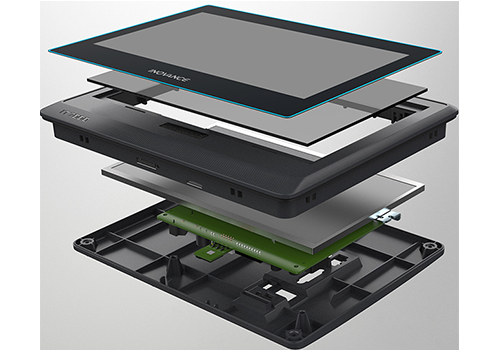
    • Enriched Features, Stable Operation
    • Flexible Networking
    • Convenient Operation,Efficient Editing
    • Sophisticated Features,Rich Control Types
    • IoT Gateway
  • Furthermore, PageMaker was the software of the zine revolution. It empowered small publishers, church bulletins, school newspapers, and underground magazines to look "professional." The aesthetic wasn't always polished; many early PageMaker documents suffered from "ransom note" layouts (too many fonts, bad image scaling), but the intent was pure democratization. So why did Adobe kill PageMaker? In 1999, Adobe released InDesign . While PageMaker was powerful, its codebase was aging. It struggled with transparency effects, color separations for high-end print, and long document management. InDesign was built from the ground up for the modern print and digital era. adobe pagemaker design

    However, PageMaker’s influence is undeniable. Every time you use a text wrap option in Canva, apply a master page in Microsoft Publisher, or auto-flow text in Affinity Publisher, you are touching the ghost of PageMaker. To study Adobe PageMaker is to study the birth of the digital design workflow. It was not the most elegant software, nor the most powerful, but it was the first. It proved that design was not a mystical craft reserved for print shops with million-dollar presses, but a logical, learnable process accessible to anyone with a Mac and a vision. Furthermore, PageMaker was the software of the zine

    In the pantheon of modern design software, names like Adobe Photoshop, Illustrator, and InDesign dominate the conversation. Yet, before these giants walked the earth, there was a quiet pioneer that laid the very foundation of the digital design industry: Adobe PageMaker . To discuss "Adobe PageMaker design" is not merely to recall obsolete software; it is to revisit the seismic shift that transferred the power of typesetting and layout from expensive, specialized printing houses to the desks of individual designers. The Birth of Desktop Publishing When PageMaker was released in 1985 by Aldus Corporation (later acquired by Adobe in 1994), it was revolutionary. Prior to PageMaker, professional layout design required waxers, X-Acto knives, rubylith, and light tables. A single page of a newsletter could take a full day to physically paste up. In 1999, Adobe released InDesign

    [BatchItemDTO(title=Enriched Features, Stable Operation, src=null, sort=1, subTitle=The IT7000 series next-generation touchscreen elevates software, hardware, and structures from its predecessor, the IT6000 series., index=null, link=null, target=phone, nofollow=true, note=https://portal-file.inovance.com/upload/image/2025/03/31/64b3a094-6196-4d77-b229-c0362b294420.png), BatchItemDTO(title=Flexible Networking, src=null, sort=2, subTitle=Facilitates networking through Ethernet and serial ports Supports various communication protocols from leading manufacturers including Siemens, Omron, Mitsubishi, Panasonic, Yaskawa, Keyence, Delta, Fatek, and Xinje, index=null, link=null, target=phone, nofollow=true, note=https://portal-file.inovance.com/upload/image/2025/03/31/7a447029-d102-4c8c-9b9f-db0cd892ab6f.png), BatchItemDTO(title=Convenient Operation,Efficient Editing, src=null, sort=3, subTitle=Introduces drag-and-drop functionality to simplify control generation and variable association Supports batch creation, import, and export in spreadsheets, index=null, link=null, target=phone, nofollow=true, note=https://portal-file.inovance.com/upload/image/2025/03/31/96e2f73d-5723-4924-851f-7cc94d23ba3b.png), BatchItemDTO(title=Sophisticated Features,Rich Control Types, src=null, sort=4, subTitle=Provides rich system functions and JavaScript scripting capabilities Meets common needs while allowing customization of control, index=null, link=null, target=phone, nofollow=true, note=https://portal-file.inovance.com/upload/image/2025/03/31/abe2c065-5578-413d-ac83-3ee7457c8aec.png), BatchItemDTO(title=IoT Gateway, src=null, sort=5, subTitle=Enables online data monitoring and remote commissioning, screen projection, and upgrade, index=null, link=null, target=phone, nofollow=true, note=)]
    adobe pagemaker design
    adobe pagemaker design 0
    adobe pagemaker design
    adobe pagemaker design
    Subscribe to the latest updates.
    You can learn about our information management methods through 《Official Inovance Website Privacy Agreement》
    adobe pagemaker design
    adobe pagemaker design
    adobe pagemaker design
    Subscription successful!
    You will be the first to receive the latest product inquiries, discount information, and exhibition information, and embark on a journey of exploring automation technology.
    Got it !

    Adobe Pagemaker Design Here

    Furthermore, PageMaker was the software of the zine revolution. It empowered small publishers, church bulletins, school newspapers, and underground magazines to look "professional." The aesthetic wasn't always polished; many early PageMaker documents suffered from "ransom note" layouts (too many fonts, bad image scaling), but the intent was pure democratization. So why did Adobe kill PageMaker? In 1999, Adobe released InDesign . While PageMaker was powerful, its codebase was aging. It struggled with transparency effects, color separations for high-end print, and long document management. InDesign was built from the ground up for the modern print and digital era.

    However, PageMaker’s influence is undeniable. Every time you use a text wrap option in Canva, apply a master page in Microsoft Publisher, or auto-flow text in Affinity Publisher, you are touching the ghost of PageMaker. To study Adobe PageMaker is to study the birth of the digital design workflow. It was not the most elegant software, nor the most powerful, but it was the first. It proved that design was not a mystical craft reserved for print shops with million-dollar presses, but a logical, learnable process accessible to anyone with a Mac and a vision.

    In the pantheon of modern design software, names like Adobe Photoshop, Illustrator, and InDesign dominate the conversation. Yet, before these giants walked the earth, there was a quiet pioneer that laid the very foundation of the digital design industry: Adobe PageMaker . To discuss "Adobe PageMaker design" is not merely to recall obsolete software; it is to revisit the seismic shift that transferred the power of typesetting and layout from expensive, specialized printing houses to the desks of individual designers. The Birth of Desktop Publishing When PageMaker was released in 1985 by Aldus Corporation (later acquired by Adobe in 1994), it was revolutionary. Prior to PageMaker, professional layout design required waxers, X-Acto knives, rubylith, and light tables. A single page of a newsletter could take a full day to physically paste up.